
Picture sunshine sparkling on the Atlantic, gulls looping overhead, and the kids laughing in the surf—while you wonder, “What will this set us back?” We’ve crunched fresh 2025 data to give you a no-surprise snapshot of one-week costs for a family of four at ten beloved beaches from Maine to Florida—lodging, meals, activities, and those sneaky local fees. You’ll get hard numbers wrapped in stories, backed by a solid data point from Cape Cod rates.
Ready? Grab your virtual beach chair—let’s balance sun and budget.
How we picked the beaches and built the budget
First, we set a clear goal: show you exactly what a typical family spends for one week, with no hidden extras. We grounded every dollar figure in fresh 2025 data and used a single profile—two adults, two kids, comfortable yet not luxury travel.
Next, we evaluated more than twenty East Coast towns on five parent-friendly factors: affordability, family attractions, beach safety, ease of access, and crowd vibe. Affordability carried the most weight at 30 percent, because a beautiful beach is pointless if the price hurts.
For lodging, we benchmarked seven-night rates on two-bedroom rentals or two adjoining hotel rooms. Core data came from ChampionTraveler’s rental-price database, which tracks weekly averages town by town, and we verified numbers against live listings.
Meal costs used BudgetYourTrip’s per-person daily spend, adjusted for kids’ menus and a mix of grocery breakfasts and restaurant dinners. Activity fees came from attraction sites, while tourism boards supplied parking, trolley, and beach-tag details.
Finally, we checked every safety claim against the latest Environment America water-quality report and national crime statistics. With the math locked, we were ready to hit the sand.
Cape Cod, Massachusetts: classic New England summer
Cape Cod feels like a painting that never quite dried, with salt-bleached cottages, cotton-candy hydrangeas, and tide pools where kids squeal over starfish. Families return because the Cape blends nostalgia with fresh adventure.
A seven-night stay averages $4,750 for our sample family in July or August. Two-bedroom cottages in mid-Cape villages such as Chatham or Yarmouth run $3,000 to $4,000—a range you can verify by browsing SkyRun’s live listings; learn more about their Cape Cod rentals and you’ll spot peak-summer weeks starting right around $3,100 for classic shingled cottages. Visit in June or early September and rates fall by about one-third while the water stays warm.
Plan roughly $900 for meals. Seafood shacks keep costs friendly: $25 lobster rolls for adults, $10 grilled-cheese baskets for kids, plus grocery breakfasts from Stop & Shop.
Activities stay modest. A family pass to the Whydah Pirate Museum, a round of mini-golf, and one whale-watch cruise total about $250. The Cape’s best fun is free: bay-side sunsets, kite flying on the National Seashore, and miles of bike paths through cranberry bogs.
Massachusetts beaches don’t charge entry fees, but parking can add up. Guarded beaches ask $20 a day; a weekly pass or an early start saves cash and stress. Local tip: check in Sunday and depart the next Sunday to dodge Saturday bridge traffic.
Cape Cod tops our list for its balance of charm, safety, and kid-friendly diversions. You pay more up front, yet the memories—first whale tail, first fried-clam belly, first sand-dollar find—pay lasting dividends.
Old Orchard Beach, Maine: retro boardwalk fun on a budget
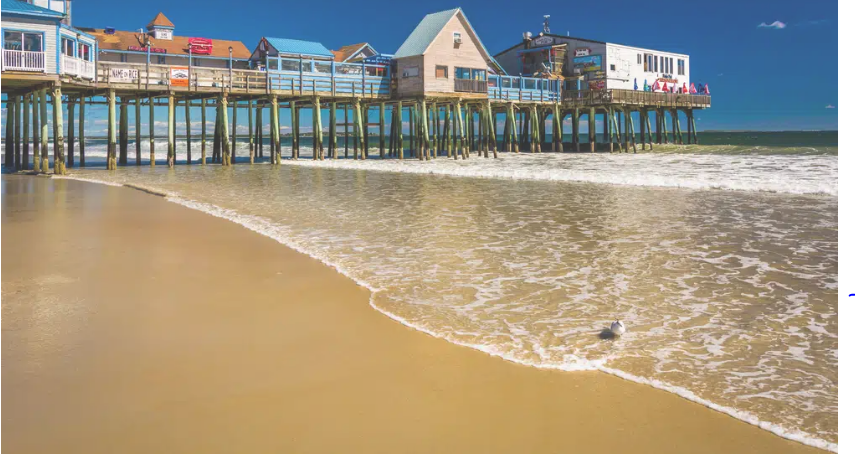
Step off the train from Boston and the salty breeze already smells like fried dough. Old Orchard Beach is pure seaside nostalgia, with a wooden pier from the 1890s, a beachfront amusement park that glows after dark, and seven miles of sand perfect for sunrise castles.
A peak-summer stay averages $2,100 for a two-bedroom cottage or family motel room near the shore. Plan $800 for food, since most meals are casual: five-dollar pier fries and fifteen-dollar lobster rolls eaten on a picnic bench while fireworks pop overhead.
Entertainment stays friendly. Unlimited-ride wristbands at Palace Playland, an evening arcade splurge, and a round of mini-golf together land near $200 for the week. Beach access is free; parking lots charge $10 to $20 a day, but once you park, everything worth doing sits within flip-flop range.
Families love the gentle surf, stroller-ready promenade, and the freedom for kids to roam between the carousel and shoreline without crossing traffic. Arrive midweek for thinner crowds and motel rates that dip about ten percent. Old Orchard proves you can skip Jersey-shore prices yet score classic boardwalk memories.
Cape May, New Jersey: Victorian charm on a family budget
Cape May greets you with gingerbread trim and horse-drawn carriages, like a storybook by the sea. The Atlantic rolls in gentle and shallow, perfect for younger swimmers, while candy-colored houses line streets so walkable you can park once and pocket the keys for the week.
A seven-night stay in a two-bedroom Victorian rental averages $3,900 in July and August. Add $100 for mandatory beach tags, and lodging becomes the biggest slice of the roughly $5,000 total.
Meals soften the hit at $850 when you mix casual treats—Hot Dog Tommy’s four-dollar franks, Kohr Bros custard cones—with one splurge dinner at the harbor-front Lobster House. Many inns include breakfast, stretching the budget further.
Activities feel almost old-fashioned in price. The Cape May County Zoo is free, lighthouse climbs cost a few dollars, and evening concerts on the promenade only require a blanket. Even with a dolphin-watch boat tour, entertainment stays near $150.
Parents love the safety stats, and the slow pace lets teens explore the pedestrian mall while adults sip lemonade on a porch. Choose a midweek stay to trim rates and skip weekend crowds, then let the town’s timeless charm take over.
Rehoboth Beach, Delaware: boardwalk bliss for all ages
Rehoboth delivers a full boardwalk experience in a town you can cross in flip-flops. The mile-long wooden walk hums with arcade bells, Funland’s 75-cent kiddie rides, and the scent of Thrashers fries on an ocean breeze.
A peak-summer week costs about $4,360 for a family of four. Lodging averages $3,300 for a two-bedroom condo one block from the sand. Meals land near $800 when you balance boardwalk pizza and soft serve with grocery breakfasts.
Entertainment stays friendly. $50 in Funland tickets lasts several evenings, and a water-park day plus bike rentals nudges the activity bill to roughly $180. The beach is free; downtown parking at $3 an hour is easy to avoid by riding the $1 Jolly Trolley.
Rehoboth feels safe enough for tweens to roam, lively enough for teens to stay interested, and relaxed enough for parents to unwind. Arrive Sunday evening and leave Friday morning to dodge heavy traffic and catch midweek rental discounts.
Chincoteague Island, Virginia: wild ponies, tame prices
If boardwalk neon is not your style, Chincoteague offers a soundtrack of rustling marsh grass and distant gulls. Families come to spot the wild ponies of nearby Assateague and stay for a pace that lets parents finally exhale.
A cozy two-bedroom cottage averages $1,800 for a July week, the lowest lodging tab on our list. Add $700 for casual seafood—steamed shrimp by the pound and homemade ice cream from Island Creamery—and the running total still feels light.
Activities center on nature, not novelty rides. The wildlife refuge is free for walkers and cyclists; even with a $25 car pass, seven days of dolphin spotting, shell collecting, and lighthouse selfies cost very little. Pony-watch boat tours and bike rentals lift the week’s entertainment to about $120.
Parking meters are rare, traffic is gentle, and beach access carries no fee. Pack insect repellent for dusk, and the island delivers a rare family trip where everyone returns rested with change left for next summer.
Outer Banks, North Carolina: wide beaches, bigger value
Drive past the last strip mall and the road becomes a ribbon of sand and sky. The Outer Banks feel endless, with miles of oceanfront on one side, calm sound waters on the other, and salty breezes that sweep worries away.
A three-bedroom cottage in Nags Head averages $2,800 for a summer week. Add $750 for groceries, shrimp boils, and a donut run to Duck Donuts, and you are halfway through the roughly $3,780 total.
Activities lean outdoor and educational. Ten dollars buys the family a seven-day pass to the Wright Brothers Memorial. Surf lessons, kayak rentals, and one mini-golf night lift the entertainment tab to about $200. The beach itself is free as long as you follow red-flag surf warnings and swim near lifeguards.
There are no beach tags, but distances are real. Bring bikes for short hops or plan to drive between ice-cream stops and lighthouse climbs. Include the $14 Chesapeake Bay Bridge Tunnel toll in your arrival budget.
Elbow room seals the deal. Even in July you can spread out without bumping neighbors. Visit in early June or late August for lower rates and surprisingly warm water, and the OBX may spoil every other beach for good.
Myrtle Beach, South Carolina: big entertainment, friendly price
Myrtle Beach feels like the East Coast’s amusement arcade stretched along 60 miles of sand. One moment you climb a sky-blue Ferris wheel, the next you sink toes into warm surf that rarely rises above a gentle wave.
That variety arrives without sticker shock. A family suite in an oceanfront high-rise averages $2,350 for seven July nights. Buffets, pizza slices, and beach-bar burgers bring meal spending to about $900 for the week, still cheaper than many smaller resorts up north.
Set aside $300 for fun and you may struggle to use it all. A water-park day, two rounds of mini-golf, and ride tickets at Broadway at the Beach still leave room for an evening on the SkyWheel. The beach is free, and most hotels include parking and pools, adding value each time you head upstairs for a midday break.
Crowds swell in mid-July, yet the Grand Strand’s length offers elbow room. Drive a few miles north to Cherry Grove or south to Surfside for quieter sand. Plan a break at Huntington Beach State Park for shaded trails and alligator sightings, then return downtown for nightly fireworks that cost nothing but a glance skyward.
Myrtle packs maximum entertainment per dollar, perfect when you want the kids grinning and the budget intact.
Tybee Island, Georgia: slow-paced sand and southern flavor
Twenty minutes after leaving Savannah’s oak-shaded squares, you crest a causeway and everything slows. Golf carts putter past pastel cottages, pelicans dive for breakfast, and the ocean greets you with warm, gentle swells. Tybee invites families to relax.
A summer week in a snug two-bedroom cottage averages $2,100, squarely mid-pack on our list. Keep meals easy and local and plan $750 total. Low-country boils served on paper, ten-dollar fish-taco lunches, and grocery breakfasts stretch both dollars and appetites.
Activities stay gentle on the wallet. Climb the 178-step lighthouse, scout dolphins on a $25 boat tour, and let the kids hunt tiny crabs in tide pools. Even with bike rentals and a visit to the Marine Science Center, entertainment hovers near $180.
The beach is free, but meters charge $4 an hour, capped at $12 for the day. Once parked, the island’s three-mile length makes walking or pedaling the best way to explore. Visit midweek when day-trippers thin out and sunsets paint an almost empty pier.
Tybee swaps thrill rides for sand-between-your-toes serenity, helping families slow down, connect, and maybe master the art of the perfect praline.
Cocoa Beach, Florida: surf meets space
Wake early and you may watch a rocket lift off beyond the pier, its plume glowing pink against dawn. Minutes later kids line up at Ron Jon for foam boards while gentle Atlantic rollers whisper, “first surf lesson.”
A peak-summer week totals $3,450. Two-bedroom condos on or near the sand average $2,400, and Orlando’s airport an hour inland keeps airfare competitive. Meals land near $800 when you blend fish-taco joints, grocery breakfasts, and one sunset dinner at Grill’s while cruise ships drift past.
Set aside $250 for activities: the full-day wow of Kennedy Space Center plus low-cost favorites like Lori Wilson Park’s boardwalk, bioluminescent kayak tours, and $15 group surf lessons. Parking is cheap, beaches are free, and teens roam safely between the pier and ice-cream stand.
Cocoa Beach shines because it lets families balance theme-park thrills with sand-between-toes downtime, without the South Beach price tag.
St. Augustine, Florida: oldest city, fresh beach vibes
Cobblestone lanes echo with Spanish guitar, while two bridges away pelicans glide over bright white surf. St. Augustine lets families toggle between 450 years of history and simple summer pleasure, sand underfoot.
A one-week stay averages $3,570. Lodging claims the biggest share at about $2,500 for a two-bedroom condo near St. Augustine Beach. Stay inside the old city walls and the price rises slightly, but sunrise walks past colonial courtyards feel priceless.
Meals total about $850 when you blend beach-side tacos, grocery breakfasts, and one splurge dinner of fresh shrimp in a nineteenth-century mansion. Kids burn off dessert by racing along Castillo de San Marcos ramparts while cannon re-enactors fire blanks across the lawn.
Entertainment stays wallet-wise. Fifteen dollars buys a family fort pass good all week. Add the Alligator Farm’s zip lines, a trolley tour, and a lighthouse climb, and activities settle near $220. Beaches remain free; parking costs $2 an hour, or choose a condo with a reserved spot and walk.
As evening falls, street musicians play beneath gas lamps, pirates haunt ghost tours, and the night ends with handmade popsicles from The Hyppo. Few places teach colonial history at noon and reward kids with boogie boards by two.
Where your dollar and time stretch the farthest
Step back from the individual sand grains and a clear pattern appears. In pure dollars, Chincoteague is the runaway bargain, with our sample family spending about $2,640 for the week. At the other end, Cape Cod and Cape May sit near $5,000, double the price but loaded with lighthouse-lit nostalgia.
Cost alone does not decide the champion. On a “smiles per dollar” scale, Myrtle Beach and Rehoboth top the list because mid-tier lodging pairs with endless, low-cost entertainment; every extra twenty often becomes an unforgettable mini-golf showdown.
Crowd comfort matters too. If elbow room beats nightlife, the Outer Banks offers wide stretches of quiet shoreline for the same cash you might drop in busier resorts. Families who prefer to park once and stroll everywhere lean toward compact Cape May or pedestrian-friendly Rehoboth.
Food spending stays steady across the map. Whether you buy lobster rolls in Maine or shrimp platters in Georgia, the average family spends just under $115 a day on meals, according to BudgetYourTrip’s 2025 national benchmarks.
Safety rounds out the scorecard. Every town staffs lifeguards in summer, yet recent water-quality tests showed more than half of East Coast beaches logged at least one unsafe bacteria day last season, so check daily advisories before anyone cannonballs (ABC News citing Environment America, 2025).
Add it up and the choice becomes personal math: price, vibe, elbow room, and the memories you want in the family album. The good news? Each destination above excels on at least two of those four fronts, so you cannot pick wrong.
